Lifestyle
The Unspoken Truth of Retirement, According to a Financial Advisor
The best retirement plans begin with the life you want, not just the number you need.

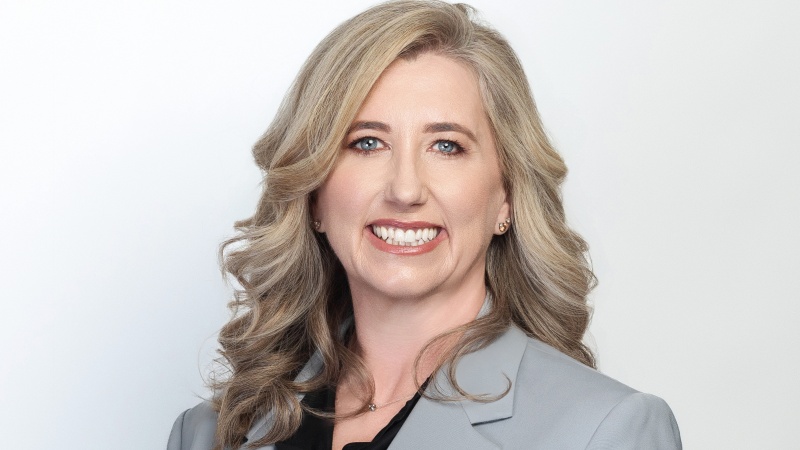
The following article is by Kim Potgieter, Certified Financial Planner, author and coach; who gives us some valuable insight into money management strategies that can not only provide South Africans with independence but also help one thrive in the financial world:
Retirement is often sold to us as a reward, and the images are familiar: dream holidays, ocean views, golf estates, long lunches, cruises, beautiful homes, perhaps an expensive watch worth passing down to the children one day, and long walks on the beach with nowhere urgent to be.
It’s easy to see the appeal. Travel, leisure and comfort can be wonderful parts of a well-planned retirement. But on their own, they’re not a retirement plan.
Once the suitcases are unpacked and the novelty of free time has worn off, another question begins to surface: what will you do with your days? A round of golf fills a morning. It doesn’t fill a life.
Retirement is not just a financial transaction
Most retirement conversations start and end with a number. How much will I need? When can I stop? What income will my investments provide? These calculations matter, but they’re incomplete. They tell you whether you can afford to stop working. They rarely tell you what your life will actually look like once you do.
Your financial plan needs to be connected to a bigger question: what is the money for?
What will give your days structure? Where will you feel useful? Who will you spend time with? What will make you feel that you still matter?
Retirement is a life event. It changes your income, yes – but it also changes your identity, your routine, your relationships, your sense of contribution and the way you measure a successful day.
Retirement doesn’t mean you stop working
Many clients pause when I ask a simple question in a planning meeting: who are you without your job title?
For decades, work has defined them, giving structure, status and identity. Take that away, and some people genuinely don’t know who they are anymore.
One of the most limiting assumptions about retirement is that it must mean a complete stop. According to the 2025 FNB Retirement Insights Survey, nearly 90% of under-60s expect to continue working in some capacity after they formally retire – some because they need their money to last longer, others because they still want structure, stimulation and purpose. Retirement, in other words, gives you permission to work differently.
Consulting, mentoring, teaching, volunteering, serving on a board, starting a small business, supporting a cause or earning through a skill built over decades can all become part of a meaningful retirement. The aim isn’t to stay busy for the sake of being busy. It’s to stay connected to purpose, contribution and growth.
One of my clients, Nikki, didn’t leap from her corporate career into entrepreneurship overnight. She negotiated a phased exit, consulted remotely, and built her business step by step. Easing into the next chapter made the transition far less daunting.
The questions I love asking clients: how would you love to earn? Where do you still want to contribute? What knowledge or wisdom do you have that could help someone else? Suddenly, retirement becomes a chapter filled with new possibilities.
Stop retiring yourself too soon
“I’m too old to start something new.” “That ship has sailed.” “It’s too late for me.” I hear these words all the time in planning meetings. Many people are thinking themselves old.
I want to challenge that belief. Sixty-five is not a finish line. It’s simply the age society has come to associate with stopping work. Your capacity to learn, adapt, contribute, and matter to the people around you doesn’t come with an expiry date.
This matters because the old idea of retirement no longer fits the lives many of us are living. We’re living longer, and for many people retirement may last 40 years or more. That’s far too long to live as though your useful years are behind you.
The question isn’t only whether you can afford to stop working. It’s whether stopping completely is the life you actually want.
What will you retire TO?
I describe retirement planning as building a puzzle. Most of us look for the corner pieces first: the numbers, the savings and the returns. But before you start building, you need to look at the picture on the box. What does your life actually look like once the puzzle is finished?
This is where life planning comes in. I use the Wheel of Balance to help clients think about the different areas of life that need attention – relationships, health, purpose, work, learning, play, giving back and money. A meaningful retirement is built across the whole of life.
The research into longevity keeps pointing us back to the same simple human needs. In Blue Zones – communities known for longevity – people tend to move naturally, stay socially connected, have a sense of belonging, feel useful in their communities, and keep purpose woven into daily life. Movement, connection and a useful role: these are the ingredients of a meaningful, purposeful life.
So, beyond the travel destinations and living arrangements, a few questions are worth sitting with:
How will you stay connected?
Where will you keep learning?
Who will you spend time with?
Where will you feel useful?
What will bring meaning and purpose into your life?
Plan your life, then plan your money
Before you ask whether you have enough money to retire, ask what kind of life that money is meant to support.
The life plan and the financial plan shouldn’t sit apart from each other. The financial plan should support the life plan, giving structure, confidence and clarity to the future you want to create.
Retirement is something you can shape with intention. The holidays and the lifestyle may well be part of it. But the deeper dream is a life where your money supports your meaning.
Kim Potgieter is a Certified Financial Planner, author, and coach. For more information, visit the Chartered Wealth website.