Gear
The Best Nike Boots No One is Wearing [Review]
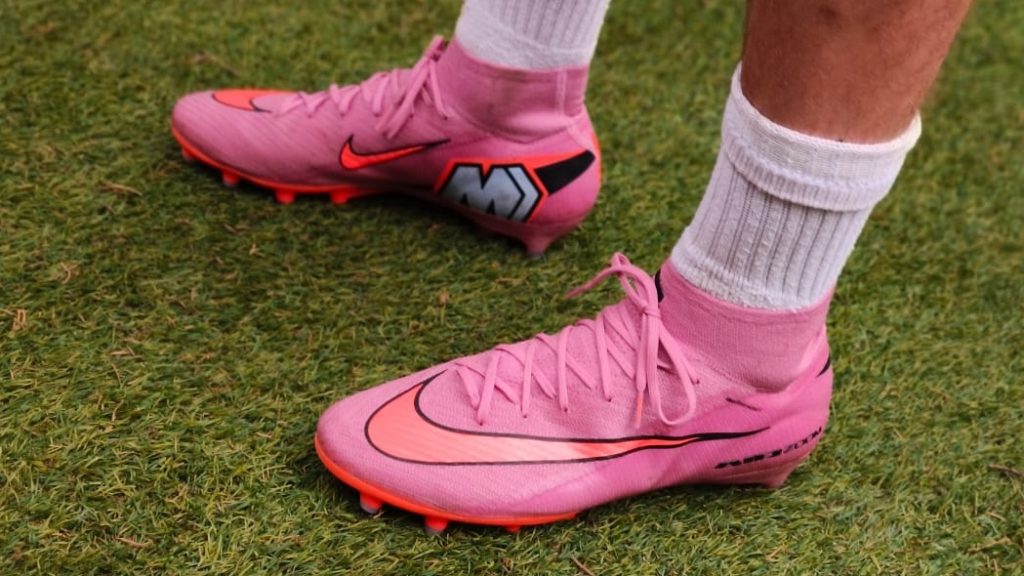
We review the AG model of the Nike Mercurial Superfly 10.

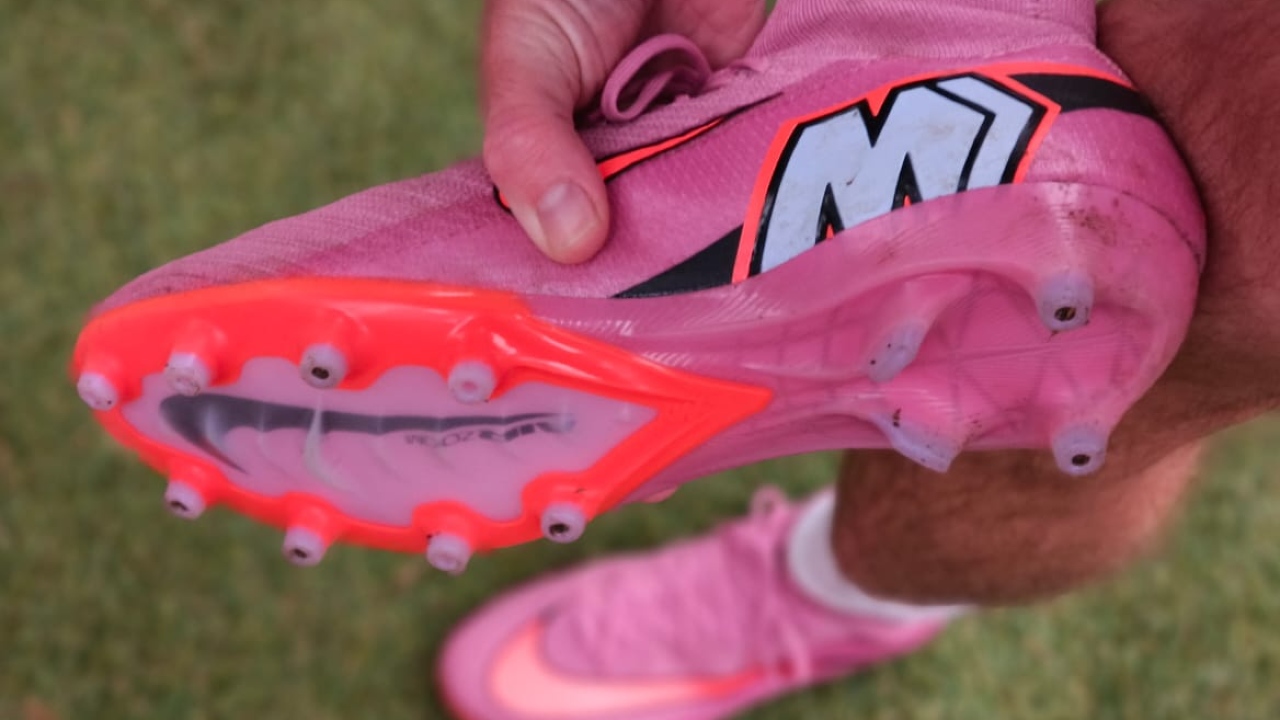
As Nike is one of the biggest sports brands in the world, the Nike name obviously gets a lot of coverage, so it’s not common to say that a boot from the American sportswear giant is slipping under-the-radar. However, more so than the boot model itself, it’s a stud layout option that deserves a lot more love.
You see, Nike boots come in three stud variations: Firm Ground (FG), Soft-Ground (SG), and AG (Artificial Ground). The FG boots are the most common plastic moulded studs you’ll see on store shelves; SG is a metal-tipped stud for deeper penetration in muddy pitches; and AG are designed for artificial grass. However, they’re more than suitable for normal grass pitches too, and admittedly, even better in some circumstances.
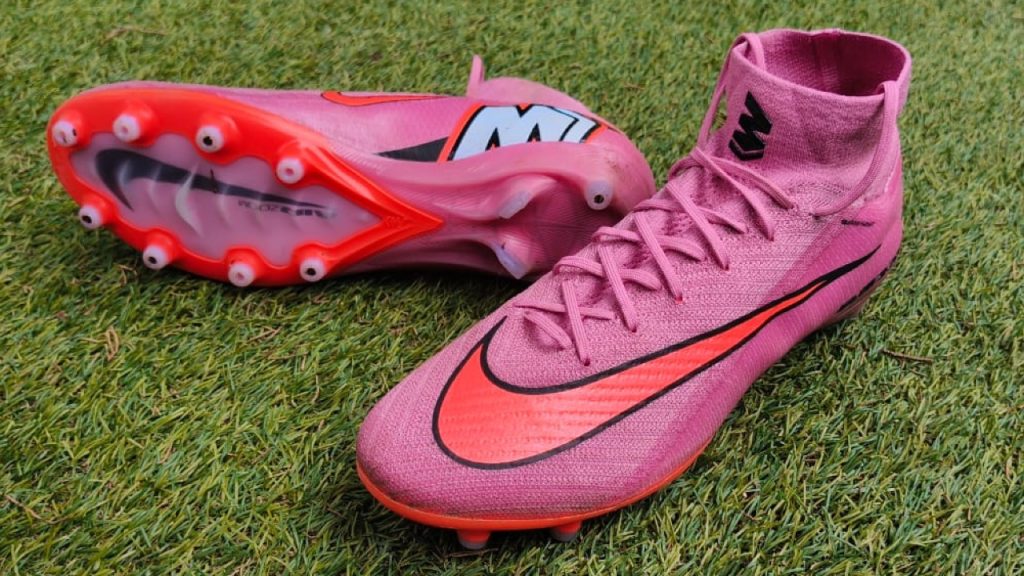
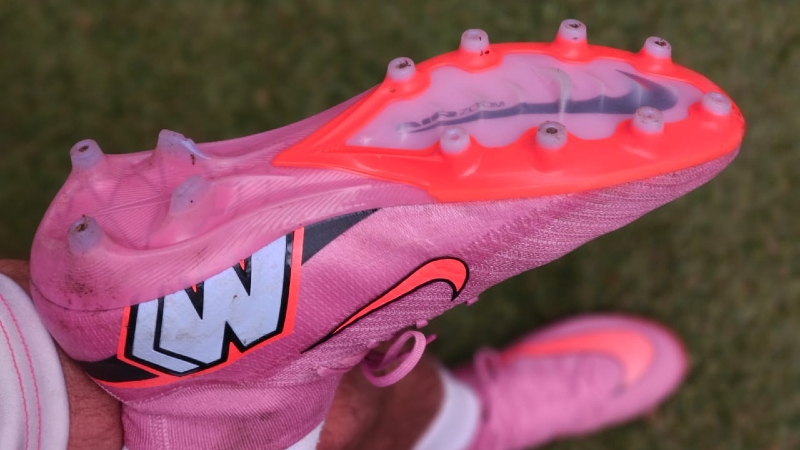
Nike’s AG stud layout is essentially the same as a classic football boot – all conical, six studs in the forefoot and four in the heel, giving you a very balanced plant on the ground. The trick is here, though, that they’re a little bit shorter and hollow (to allow heat to dissipate out the soleplate, which is caused by AG pitches), and to have a tiny bit of flexibility.
I got my feet into the Nike Mercurial Superfly 10, albeit in the AG stud layout as opposed to the hyper-aggressive bladed FG model it’s known for. Aside from the studs themselves, the soleplate is essentially the same as the FG model, with a two-piece construction. forefoot and heel, respectively. The great thing is that Nike still utilised its Zoom units found on the other models in the AG model, so you get a squishy, softer Zoom unit under your forefoot. This helps with a bit of impact cushioning when running around the pitch.
On pitch, the AG Superfly feels a lot more stable and balanced than the sprinter-like FG model. It may not have the raw bite and cutting ability, but as a more composed agility boot, it’s an absolute winner. The studs dig in and release as they should, and you’d easily be convinced these are Nike’s primary FG boots if you didn’t know any better.
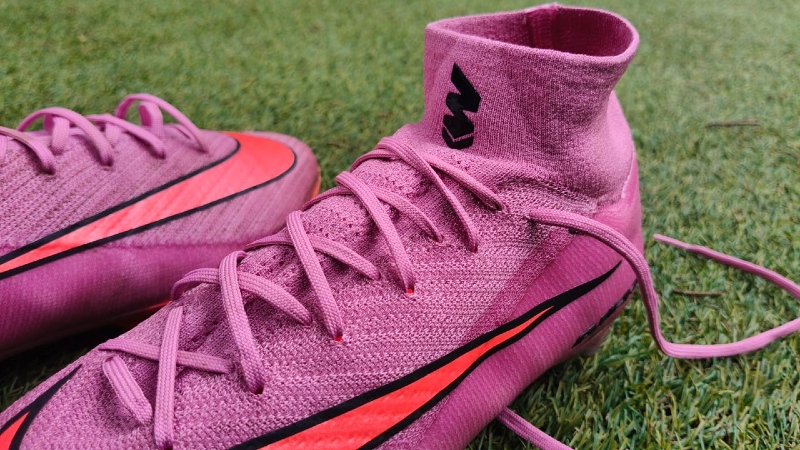
On the upper, you get Nike’s Flyknit upper, which still provides that soft, sock-like sensation, wrapping around your foot and providing a 1:1 experience, as if you’re wearing tightly-fitted slippers with studs on the bottom. The Superfly features the high-cut collar, which isn’t going to protect or help your ankles, but I do like the ‘locked-in’ feel it gives, also preventing any mud or grass from getting in your boots, so that’s a plus.
As for texture and extra accents, there’s not much on the Superfly 10. These really are boots for runners and players who want to feel light on their feet and who use their pace and agility to do the talking on the pitch, as opposed to a sticky, aggressive ball control sensation that something like an Adidas Predator will deliver.
Ultimately, if you love the slick, close feel of the Nike Mercurial line, but have always been a bit put-off by the aggressive stud pattern, check out the AG models in the range, which, in my opinion, merges the best bits of the speedy Superfly design with a safer, more balanced soleplate.