Business
Why More South African Manufacturers Are Switching to Dry Ice Cleaning Systems

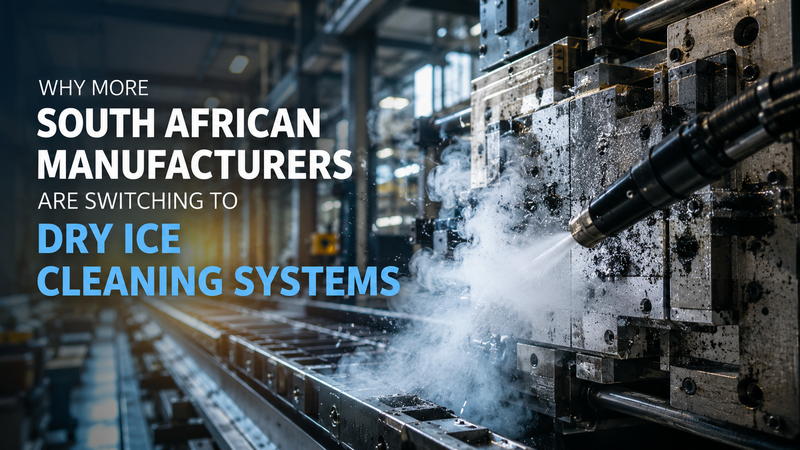
A trend within the commercial industry is seeing many companies switch from conventional cleaning methods to dry ice cleaning systems, which deliver a number of benefits for the user. But what are those specific benefits of incorporating this technique?
A cleaner approach to industrial maintenance
South Africa’s manufacturing sector increasingly views efficiency as a smarter way to maintain equipment. To this end, more manufacturers are turning to dry ice cleaning systems as an alternative to traditional cleaning methods.
Dry ice cleaning was once considered a specialist solution, but it is now gaining traction across industries ranging from food production to automotive manufacturing. More users site its ability to clean equipment thoroughly while avoiding many of the drawbacks of abrasive cleaning techniques.
Reducing downtime where it matters most
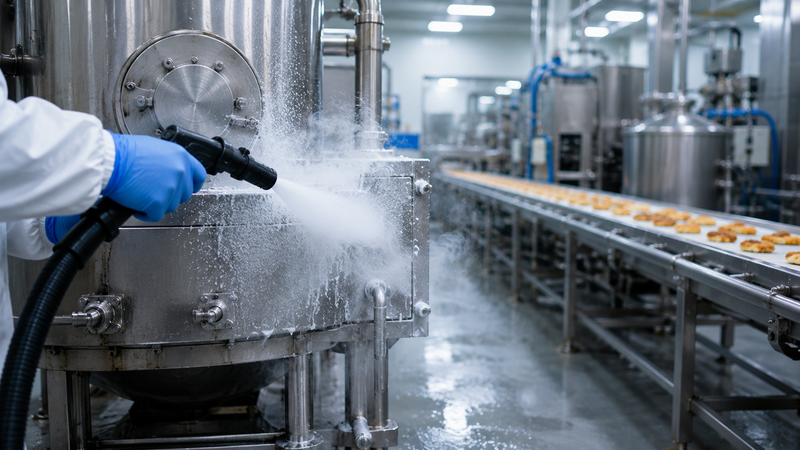
One of the biggest reasons manufacturers are making the switch is the impact on productivity. Traditional cleaning methods often require machinery to be dismantled before cleaning can begin. This process consumes valuable production time and increases labour costs. A dry ice cleaning system, by contrast, can be used while equipment remains assembled.
The process uses compressed air to accelerate dry ice pellets towards the surface. When the pellets strike contaminants, they loosen and lift away dirt and other residues. Because the dry ice sublimates, meaning it changes directly from a solid into a gas, there is no secondary cleaning media left behind.
That translates into faster cleaning cycles and shorter production interruptions for manufacturers.
Supporting food safety and hygiene
South Africa’s food and beverage sector has to deal with growing pressure to maintain strict hygiene standards and ensure food safety while keeping production lines moving.
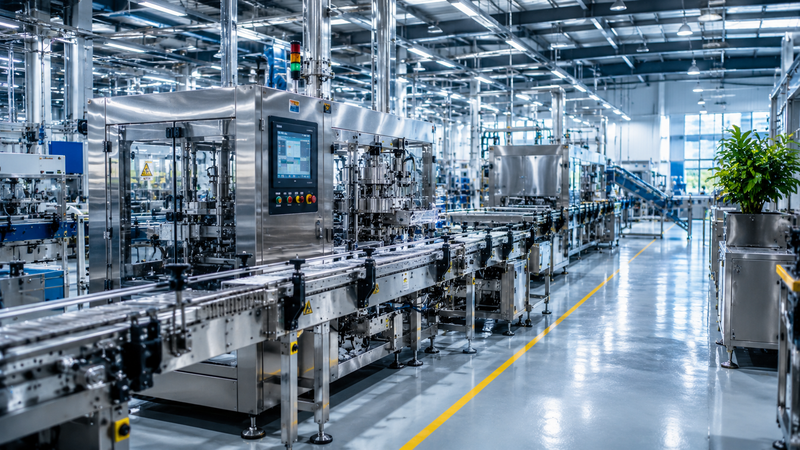
The dry ice cleaning system offers an attractive solution because it is non-toxic and does not introduce additional moisture into the cleaning process. This is particularly valuable in environments where water can encourage bacterial growth or create challenges around drying equipment before production resumes.
On top of this, the dry ice cleaning method also reduces the risk of contamination that can occur when cleaning materials are left behind.
Less waste, lower environmental impact
Sustainability is now an important consideration for manufacturers of all sizes. Many conventional cleaning methods generate chemical runoff or spent blasting materials that need proper disposal. Dry ice cleaning reduces these waste streams because the dry ice evaporates on contact. Only the removed contaminant stays behind for collection and disposal.
This can help companies strengthen their environmental practices while reducing the costs associated with waste management.
Protecting valuable equipment
Manufacturing equipment is a major investment. Cleaning methods that wear down surfaces over time can contribute to costly repairs and shorter equipment lifespans.
Dry ice cleaning is generally considered non-abrasive when used correctly. It removes contaminants without aggressively grinding or scraping the underlying surface. This makes it particularly useful for sensitive machinery and production equipment where precision matters.
By protecting assets while maintaining cleanliness, manufacturers can extend equipment life and improve long-term reliability.
The future of industrial cleaning
As South African manufacturers must strengthen their sustainability efforts and minimize downtime, dry ice cleaning systems are being seen a practical solution that addresses these goals. Companies like Dry Ice Blasting Services are helping manufacturers adopt dry ice cleaning technology across a wide range of industrial applications.
The move towards cleaning methods like dry ice blasting shows how industry is adopting technologies that support smarter operations. For manufacturers looking to remain competitive in a demanding market, dry ice cleaning is becoming the new standard.