Cars
Are REEVs the Future? Leapmotor B10 Review
Can South Africans really embrace a Range Extended Electric Vehicle? Here’s our review.

Electric vehicles (on paper) are all well and great. Efficient, powerful, and simple to drive. However, we don’t drive on paper. In South Africa, even if you’re a die-hard electric vehicle advocate, you’ll be hard-pressed to prove that the current infrastructure and urban design are conducive to buying an electric vehicle – at least for now. Yes, there are people who pull it off, but for many average consumers, the need to have a fast and convenient electric charger in or near your house or place of work is the biggest hurdle.
It produces what Leapmotor calls ‘range anxiety ‘, which deters people from buying an electric vehicle due to the fear that they’ll get stranded somewhere. This is where REEVs come in.
Range Extended Electric Vehicles are kind of like hybrids, but instead of prioritising a combustion engine that’s helped along by some electric power at low speeds, it’s essentially an electric vehicle that has a petrol engine too – not only to get more mileage, but also to charge the battery. Now we’re talking.
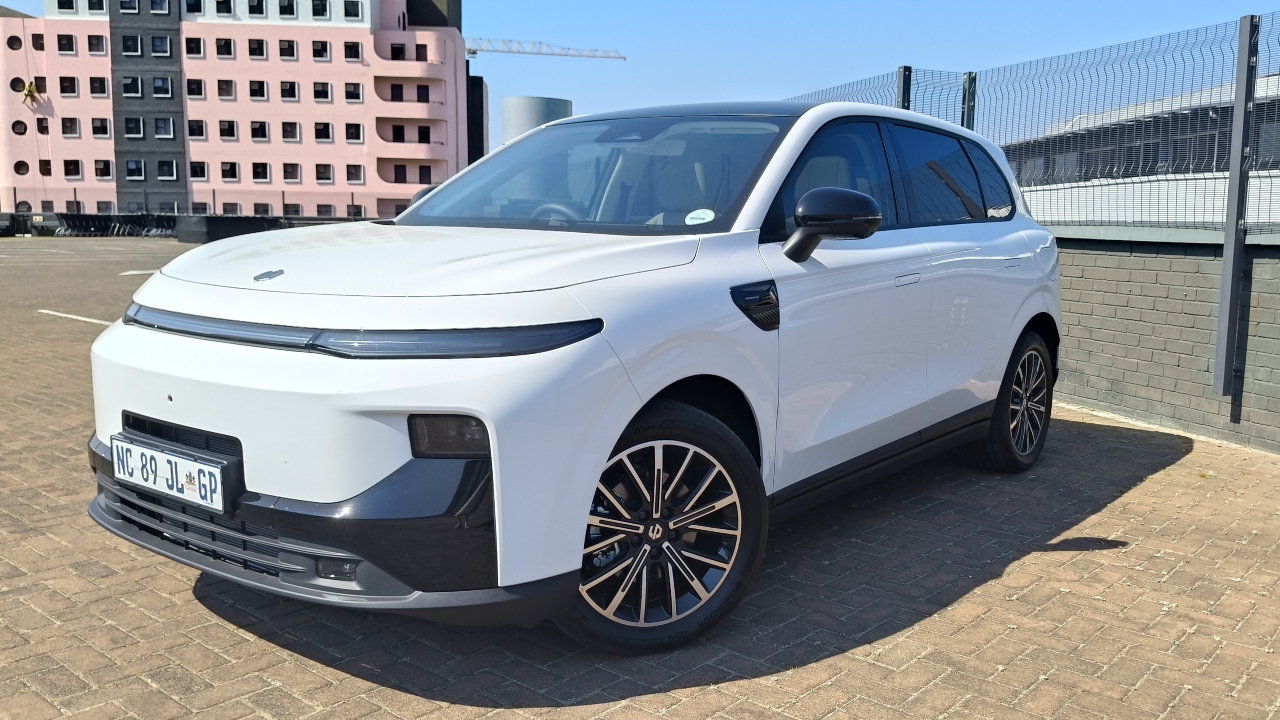
Leapmotor’s B10 is one of the newest REEVs on the South African market, coming in at a reasonable R499,999 price-tag. And I say that because it’s hard not to feel like you’re getting a 2-for-1 deal with the B10, essentially bringing a petrol and electric compact SUV together in one package.
Powered by a rear-mounted electric motor that generates 158 kW along with a naturally aspirated 1.5L petrol engine, you’ve got a car that can be a Transformer of sorts, fitting into your day-to-day plan and the changes that come with it. Want to charge it up and solely use the electric component? You can do that. Or fill up your tank and cruise around while the petrol engine charges the car? You can do that too.
This range-extended system, where the petrol engine acts somewhat as a backup for your trips, provides great peace of mind. The 18.8 kWh battery gives you 86 km of range, but the petrol engine is able to push the car to 800-odd extra kilometres. The reason it’s able to do this is due to the efficiency and power output of the electric engine, using the fuel and internal combustion engine as a power source, rather than a driving mechanism.
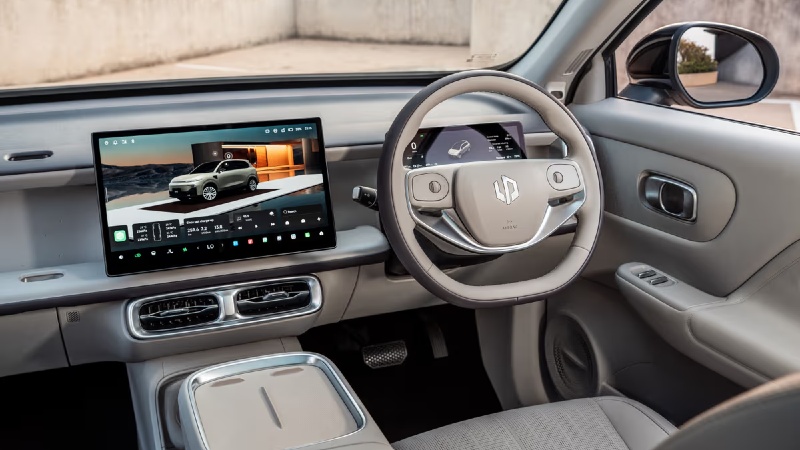
As for the driving experience itself, the B10 leans into the sleek, streamlined, and futuristic look and feel of the car. A simple tap on the side-mirror using the included keycard unlocks the vehicle, and placing it on the centre console gives you permission to start the vehicle. It’s all very elegant and seamless, and having a card that can slip into your wallet as opposed to carrying a bunch of keys around feels like the direction we should be heading in. You can, of course, use your smartphone with the Leapmotor app to do all the necessary functions, but the card feels like an option with the least amount of friction.
The B10 features two screens: a primary (and massive) 14.6-inch centre display used for controlling everything from air conditioning to driving modes; and a smaller 8.8-inch display behind the steering wheel, giving you basic information like speed and range stats. The main display and interface are very easy to use, and scrolling through menus and settings is closer to that of a smartphone. While some may long for more physical buttons in cars these days, it’s understandable to go the touch-screen route given how many functions and features need to be crammed into the vehicle.
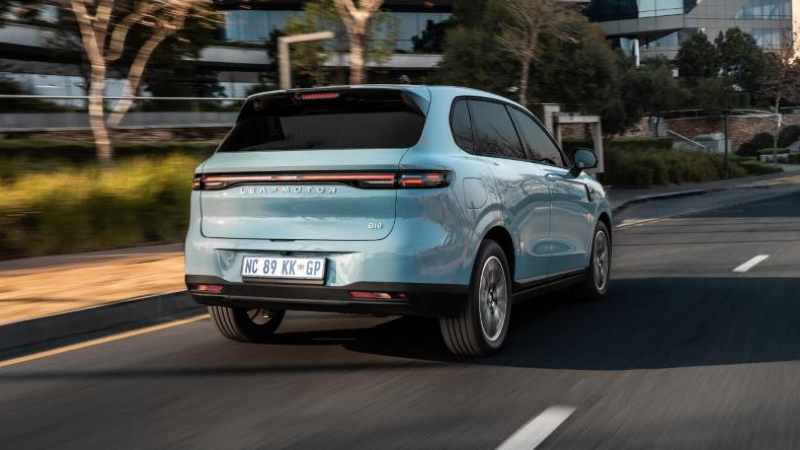
Power-wise, there’s a real zip in the B10’s motor, allowing you to pick up speed very quickly and overtake whenever you wish. Of course, driving electric-powered vehicles is a bit of an adjustment to get used to the immediate responsiveness and torque the drivetrain provides, but all in all, it’s a breeze to drive.
The smart features make it even easier too, with lane correction and steering assist on as default, with the ability for the vehicle to even pick up speeding cameras and reduce your speed ahead of time – something I was pleasantly surprised with.
The driving experience will leave you feeling like the hard work is being done for you, which is a nice change from the sometimes clunky and busy nature of driving an older manual vehicle. However, it’s the charging process that most people will be curious about.
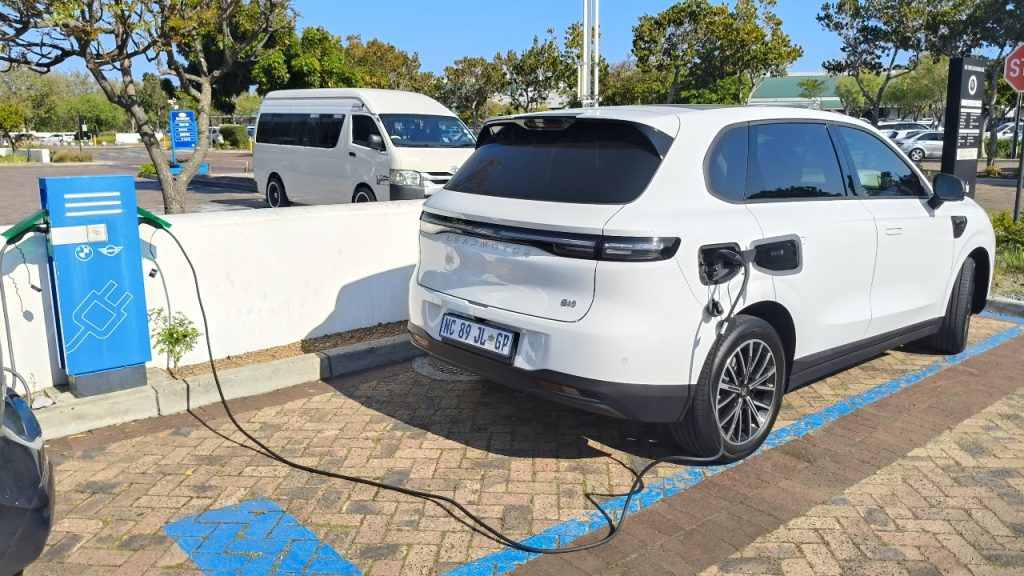
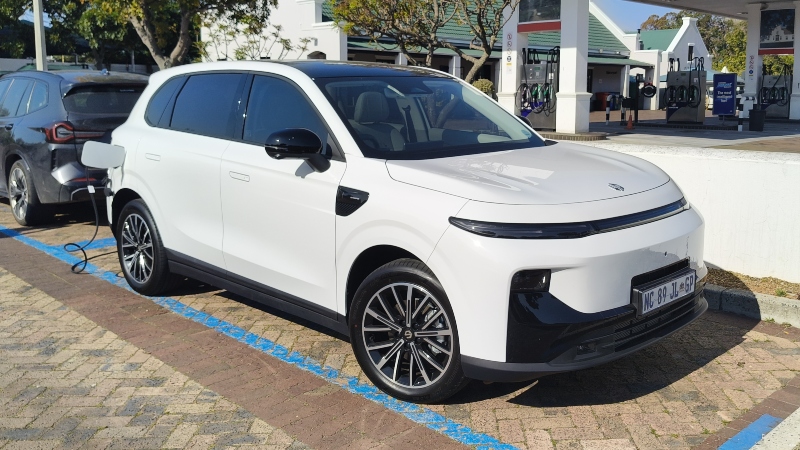
The B10 features a map and navigation system that can pull up where the closest chargers are around town, which is an incredibly handy feature. The B10 is capable of using chargers with fast and Supercharging capabilities, and while there are a few around town, they aren’t always the easiest to access. Using a normal charging port in Constantia, the charging speed was admittedly a little slow, requiring 2 hours to get up to full charge. Admittedly, this is an older (and free) charging station, so knowing where to go and planning your moments is important: it’s the difference between needing 2 hours on a slow charge; or connecting to a Supercharger port, grabbing a coffee, and being on your way within 20 minutes.
But again, this is where the benefit of the petrol component comes in. If the chargers are occupied or you’re a bit short on time, being able to throw R200 into the tank to get back on the road and simultaneously charge the battery is an absolute game-changer with the B10.
Prior to driving the B10 for a full week, it was hard to imagine a world where I owned an electric car, not due to a lack of a want, but just the practicality of it. The B10’s REEV design makes the charging inconveniences, well, not that inconvenient, allowing you to wiggle the routine of the car’s quirks to your will. It looks good, feels great to drive, and gives you flexibility in how you want to ‘power’ the car, and with that, it’s hard not to recommend at least giving the B10 a test drive.