Lifestyle
The Psychology Behind South Africa’s Favourite Rituals

Every nation has a wealth of shared traditions and cultural norms that make it unique and drive the behaviour of its members in ways that may be difficult to explain to a stranger. In South Africa, there is a mix of cultural elements coming from African, European, and Asian sources, so its daily rituals may be even more confusing to someone who hasn’t grown up with them.
To fully understand the psyche of South African people, it’s necessary to take notice of the deeply ingrained beliefs and customs that help to keep the community close-knit.
Ubuntu Keeps People Connected
Usually translated into English as ‘togetherness’ or more literally as ‘I am because we are’, this uniquely African concept is a stark contrast to the individualism of the Western world. In South Africa this is more than just a nice phrase, and examples of the Ubuntu philosophy can be witnessed in almost every sphere of life. Hospitality is taken very seriously, and people are more likely to share what they have with others than a foreigner might expect. Community assistance is especially valuable during difficult life situations, with those in need receiving help from relatives and neighbours without having to ask. Selfish attitudes are generally frowned upon, and individual success is not enough to earn respect from one’s peers unless it’s paired with empathy.
Rooibos Tea Ceremony Keeps Tensions Low
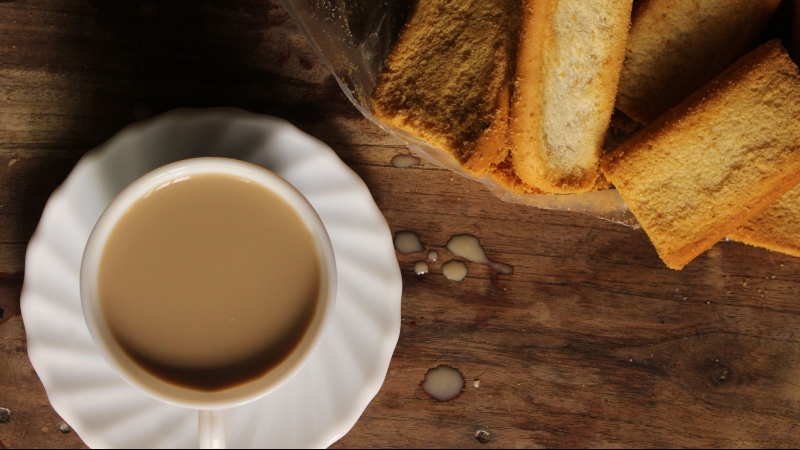
On a more practical level, there is a ritual that occurs in a lot of South African homes and workplaces on a daily basis. Of course, we are talking about drinking rooibos, a healthy alternative to coffee that locals are especially fond of. Rooibos contains no caffeine and is not produced from the real tea plant, but the way it’s prepared and served is very similar. In South Africa, sharing a cup of this drink with someone represents an invitation to take a break from the daily grind and refocus. This distinctly South African practice plays a role in the local culture, helping the nation to neutralise the impact of fast paced modern lifestyles.
Dreams and Omens Are Believed to Bring Luck
In South Africa, people tend to find meaning in their dreams or random objects they encounter. This tendency to believe in good omens is a cultural keystone that affects all parts of the population to various degrees. It’s quite common to use a dream ‘code book’ to pick lucky numbers here, with different symbols translating to specific numbers. The numbers can be used to take part in the traditional street lottery or enter an online contest. While the method certainly can’t be described as scientific, it adds a traditional flair to games of chance and makes the whole process a little more human-centric. Rather than a stroke of good luck, winning is seen as a gift from ancestral spirits.
Stokvel Saving Clubs Increase Financial Security
Given the importance of mutual support in this culture, it’s no surprise that South Africa has developed an authentic social security net that relies on informal agreements. Stokvels, or community-based saving groups, play a big role in the economy and help numerous people to finance larger expenses that directly impact their lives. All members contribute funds into the shared pool, with the collected sum paid to one of them based on a rotating schedule. Nearly half of the population belongs to one or more such groups, which are based on personal connections and mutual trust. It’s fair to say that stokvels are more than just a pillar of the South African economy, as they also serve as social glue that keeps the communities interconnected.