Health
Financial Wellness in 2025: Making Your Money Go Further
Here’s what no one tells you about saving money without doing less.

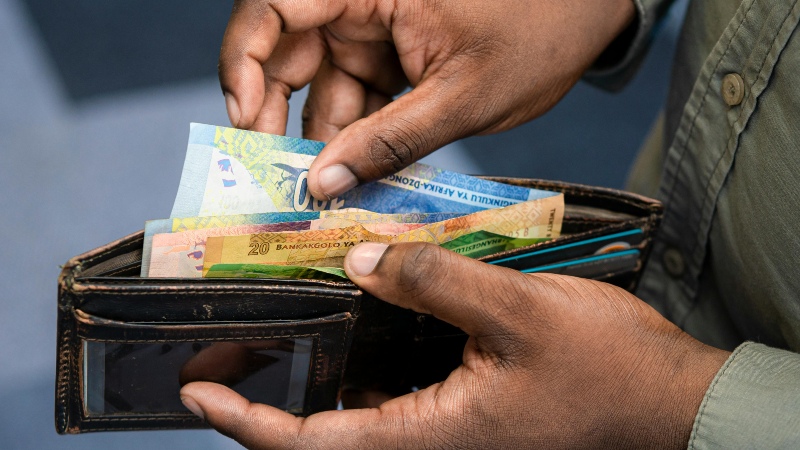
The maths isn’t new, but the pressure sure feels like it. Groceries, petrol, insurance, bond repayments—everything has gone up, except your salary. Sound familiar?
If you’re earning a living in South Africa right now—whether you’re fresh out of varsity or trying to keep a family afloat—you’ve likely asked yourself: “Where exactly is all my money going?”
Turns out, it’s not always about how much you earn. It’s what you’re doing (or not doing) with what you’ve got. 2025 demands a more calculated, sharper approach—less wishful budgeting, more strategic thinking.
And no, this doesn’t mean cutting out every small pleasure. You don’t need to swear off flat whites forever. But you might need to stop letting your car insurer quietly drain you in the background.
The “Small Cutbacks” Myth: Why It’s Not Just About Daily Habits
We’ve all heard it: skip the takeaway, brew your own coffee, unsubscribe from that fourth streaming service. These aren’t bad ideas. But in reality, they’re distractions from where the real savings live.
If you’re bleeding money, it’s probably not because of Uber Eats—it’s likely your insurance premiums, your bond, your banking fees, or that medical aid you haven’t reviewed since 2019.
“People obsess over R20 habits but ignore the R500 they’re overpaying monthly on cover they don’t even understand,” says Siphiwe, a personal finance consultant in Cape Town. “It’s madness.”
1. Insurance: Loyalty Can Cost You More Than You Think
Some South Africans haven’t changed their car insurance in a decade. Others don’t even remember what their excess is. And that inertia? It’s expensive.
Online platforms like Hippo.co.za make it easy to get real quotes side by side —not estimates, not vague offers. You’ll see what you’re paying for, who’s giving you more, and what hidden catches might be lurking.
Here’s what you can compare in under 10 minutes:
- Comprehensive and third-party car insurance
- Home contents and building cover
- Life insurance (and you’d be surprised how much prices differ)
- Business or public liability insurance for entrepreneurs
A 30-year-old software developer in Pretoria, for example, saved R4,000 annually just by comparing quotes and switching. No tricks, just less laziness.
2. Your Home Loan Isn’t Set in Stone — Stop Treating It Like It Is
Your bond is probably the biggest financial commitment you’ve ever made. But most people treat it like a phone contract—sign once and forget about it.
Mistake.
Rates shift. Your credit profile changes. And lenders compete harder than ever in 2025.
Here’s what to look at:
- Could you switch to a provider offering lower interest?
- Are you in a position to renegotiate based on your current repayment history?
- Would adding R750 extra a month knock off a few years from your term?
Hint: yes. And yes again.
Some lenders are quietly adjusting rates based on behaviour. If you’ve never missed a payment, you have leverage—use it.
3. Banks Love You… Until You Start Asking Questions
Traditional banking in South Africa is built on one assumption: you won’t check the fine print. And they’re right. Most customers couldn’t explain their monthly fee structure if their lives depended on it.
Digital-first accounts, on the other hand, are shaking things up. Some have zero monthly fees, lower withdrawal costs, and even cashback rewards for just doing your regular grocery run.
Quick tips to stop donating money to your bank:
- Review your monthly statement line by line. What are those R6.95 “miscellaneous service” fees?
- Don’t pay for features you never use (do you really need 5 ATM withdrawals per month?).
This isn’t about abandoning your bank overnight. It’s about knowing whether the relationship still makes sense.
4. The Not-So-Little Everyday Things That Eat Your Paycheck
Let’s talk groceries, fuel, airtime, school stationery, and everything else that isn’t glamorous but empties your wallet anyway.
Real things you can do that don’t require an MBA in finance:
- Use price comparison apps for groceries. If you’re in a city, shop where the specials are worth the petrol.
- Don’t ignore co-ops or community bulk buying—especially if you’ve got school-age kids.
- Audit your subscriptions quarterly. No one needs Spotify, YouTube Premium, Netflix and Showmax unless they’re writing reviews for a living.
And as for medical aid: don’t assume what worked last year still makes sense today. Compare. Reassess. Repeat.
For Young Professionals: It’s Not About Earning More — Yet
Your income might not be thrilling just yet. That’s fine. This phase is about creating the right structure.
Think:
- Emergency savings (even R200 a month adds up)
- A retirement product (yes, start now—your 50-year-old self will love you)
- Spending boundaries (you don’t need a R16,000 iPhone to answer WhatsApp)
- Tracking where the money actually goes (try 22seven or a shared Google Sheet)
“I realised I was spending over R1,800 on food delivery every month,” says Lwazi, 29, from Durban. “That’s literally a car payment. I stopped.”
For Families: The Balancing Act is Real, But There’s Still Wiggle Room
You’re managing a household, possibly supporting others, and trying to stay afloat. But you don’t need a six-figure salary to start winning.
Try this:
- Set a Sunday night “money check-in” with your partner
- Review one financial product every month (insurance in August, banking in September…)
- Involve older kids in money conversations—they’ll surprise you
- Ask your service providers outright for discounts. Sometimes, they’ll say yes just to keep you.
The Quiet Power of Financial Awareness
No clickbait here. No promises that a magic budgeting hack will double your savings overnight. But here’s what’s true: most of us don’t need to hustle harder—we need to stop bleeding unnecessarily.
Spend smarter. Review ruthlessly. Compare constantly. And don’t assume “the usual” is your only option.
Because the difference between just coping and actually getting ahead? It’s often just one good comparison away.
Start by seeing what you’re overpaying on at Hippo.co.za. It might be boring. It might be eye-opening. But it’s probably overdue.