Business
Why Fertiliser Trading Matters for South African Farmers
Here’s what you need to know about the delicate balance of fertiliser trading for South Africa’s farming community.

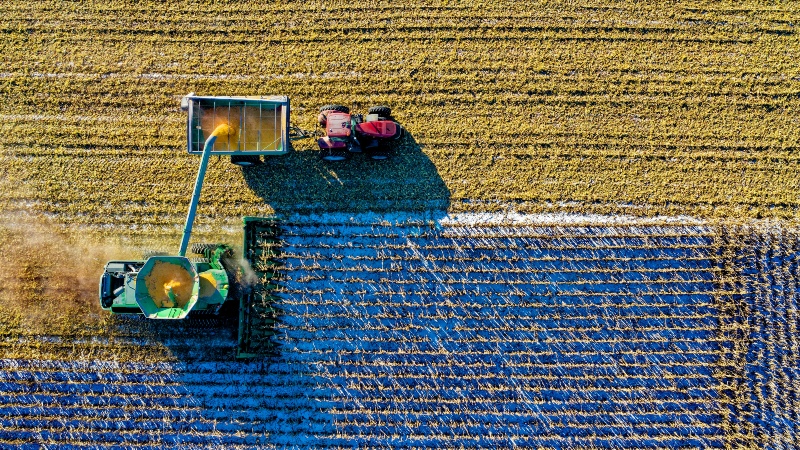
In the world of farming, getting the right supplies at the right time often makes all the difference. For growers across South Africa, especially in areas like the Western Cape, KwaZulu-Natal and the Free State, having a dependable partner for fertiliser trading is becoming more vital than ever. With rising costs, unpredictable weather and the need for increased food production, you’ll want a partner who understands not just product, but context.
Understanding the South African farming scene
The agricultural landscape here is rich and varied. Think about the fruit orchards around Stellenbosch, the maize fields in the Free State, and sugarcane farms up in KwaZulu-Natal. Each of those regions comes with different soils, different rainfall patterns and different crop challenges. Those differences mean one size simply doesn’t fit all when it comes to fertiliser.
For example, the sandy, well-drained soils near Cape Agulhas behave in one way, while heavy clay soils in Mpumalanga behave in another. The supplier who knows those nuances and offers support accordingly is worth their weight in gold.
What you should expect from a good fertiliser partner
Rather than simply handing over bags of product and walking away, the best suppliers go further. Here are some of the things you should look for:
- A good variety of fertilisers, so you’re not trying to stretch one product to fit every scenario
- Technical advice based on real soil data, from the ground, not from some generic list
- Delivery and logistics that work for you, especially given how farms in rural South Africa can be far from main transport routes
- Compliance with South African regulations and full accountability, because you don’t want surprises when audits or quality inspections come around
Regional planning really counts
Because South Africa’s climates and soils differ so much, timing and planning are key. Winter rainfall regions, such as parts of the Western Cape, face nutrient leaching risks, especially when fertiliser is applied just before heavy rains. Meanwhile, summer rainfall zones need to match applications to crop demand and irrigation cycles. A supplier familiar with your specific region will save you headaches.
Logistics and supply chain stability
You’ll know all too well how important reliable delivery is. Delays or shortages in fertiliser don’t just cost money, they can cost yield. Many fertiliser products are imported, which invites currency risks, shipping delays and customs hold-ups. A strong partner will have local warehousing, well-planned transport and good relationships with key stakeholders, so you’re not left waiting at a critical moment.
Building a long-term relationship
It’s tempting to see fertiliser as just an input you buy when you need it. But the most successful farms treat the supplier as a long-term partner. That means soil testing year after year, pre-season planning, locking in products and timing early. If you’re working together ahead of the season start, you’ll often get better pricing, better availability and less stress.
A quick reality check
So what does this all boil down to? If you’re running an orchard near Paarl, a farm near Pietermaritzburg or maize land in North West, chances are you’ll benefit from a fertiliser partner who:
- Knows local soils and climate
- Can give useful technical advice, not just sell bags
- Delivers on time, even when the road is rough or the weather’s unsettled
- Helps you plan ahead instead of scrambling at the last minute
When you tick those boxes, you’ve done far more than secure fertiliser. You’ve strengthened your farm’s resilience and its long-term performance.
Fertiliser trading isn’t simply a transaction; it’s a relationship. It’s about making sure the nutrient supply chain works for you, not against you. In a country as diverse as South Africa, your fertiliser partner has to understand both product and place. If you’re keen to take control of your nutrient planning, build trust, and ensure you’re ready for the next season, then choosing the right fertiliser trading partner is a smart move.