Sport
How Betting Odds Shape Fan Perception — and Vice Versa
How do betting odds change the football-watching experience?

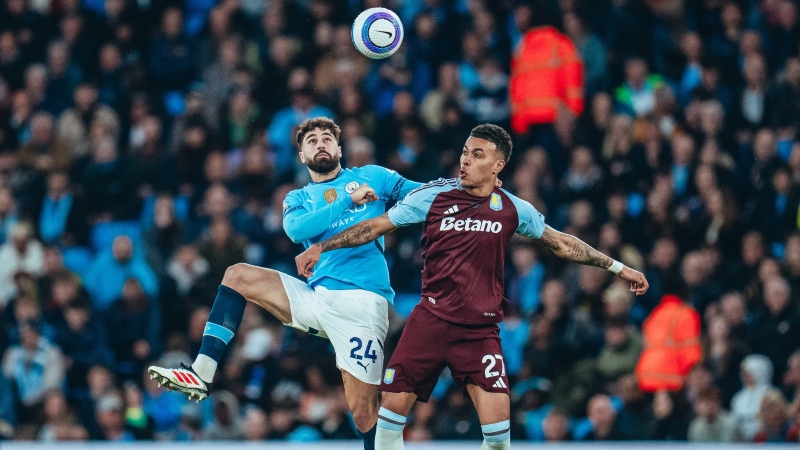
When Manchester City enters a match as a 1.25 favourite, fans don’t just see a betting line — they see a prediction. A forecast of dominance. A confirmation of what they feel about the club’s strength. And yet, when the same team stumbles against a mid-table side, odds are suddenly scrutinised, ridiculed, or even blamed. It’s this dynamic — the ongoing interplay between betting odds and fan perception — that quietly influences how millions engage with sports every day.
Odds as Opinion
At their core, odds are a distilled expression of probability. But in the real world, they’re often interpreted as truths. If a player is priced at 2.10 to score, fans may assume he’s in form. If a team is at 7.50 to win, they’re assumed to have little chance. Bookmakers like Betway offering sportbet options — don’t just throw numbers on a screen; they aggregate data, market sentiment, injuries, trends, and betting volume. This turns their odds into something more than math: a kind of public narrative.
That narrative shapes pre-match debates. It’s not uncommon to hear someone justify a prediction with: “The bookies only gave them a 10% chance.” Odds don’t just reflect perceptions — they create them.
The Echo Chamber of Public Money
But this relationship is a two-way street. Fan sentiment moves odds, too.
Bookmakers often open with “true” odds based on algorithms and statistical models. But once the public starts placing bets — especially in large volumes — prices shift. If thousands of casual bettors flood a market with wagers on a popular team like Real Madrid, odds for their win might shorten, even if nothing on the pitch has changed.
This creates a strange loop: fans bet based on perception, which shifts the odds, which reinforces that perception. In essence, they’re reacting to themselves.
And savvy punters know how to exploit this. Value betting — backing outcomes that are statistically underpriced due to public emotion — is built on spotting where fan hype inflates risk.
Underdogs, Narratives, and the Long Shot Bias
The underdog narrative is especially vulnerable to this dance between perception and price. Fans love a good story: the comeback, the upset, the unlikely hero. Bookmakers know this — and sometimes price underdogs slightly lower than pure probability would justify, anticipating public bias toward a “fun” bet.
And when that long shot pays off? It reinforces belief. “See? I knew they could win. I got them at 12.00!” — as if the odds themselves had been a dare, not a deterrent.
Betting Odds as Entertainment Drivers
In the digital age, odds appear not just on sportsbooks but on sports broadcasts, highlight reels, and even team social media accounts. They’re part of the conversation. A kind of real-time emotional graph. Odds help dramatise the stakes — they turn a nil-nil into a tension-filled battle, not because of what’s happening, but because of what could.
For modern fans — especially those betting live during matches — odds aren’t just numbers. They’re the heartbeat of the game.
And that heartbeat? It’s shaped by passion, money, and the psychology of those watching — not just playing.
Photo credit: Man City | Facebook