Lifestyle
The Online Knife Shop That Collectors Treat Like a Local Spot
From late-night drop alerts to legacy brands with cult followings, EKnives sits in a sweet spot where “gear” turns into a hobby and a community.

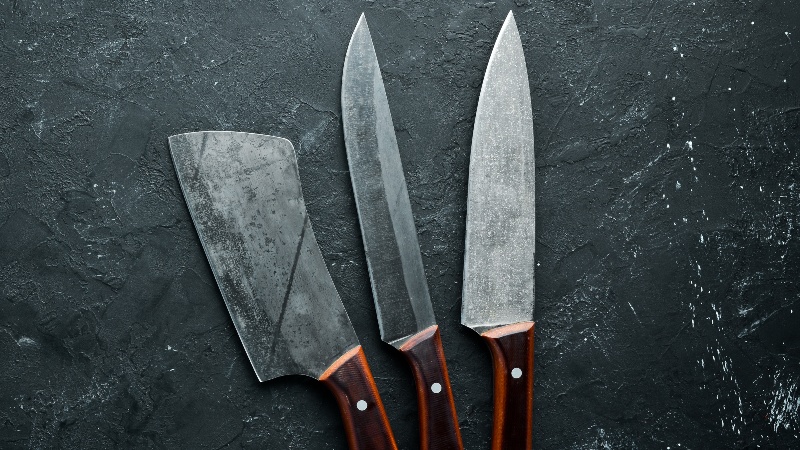
If you’ve ever watched a knife release sell out in minutes, you already know the modern blade world runs on equal parts function and fandom. The people who carry a simple folder every day and the collectors who chase rare steel live closer together than you’d think. They speak the same language, edge geometry, lock feel, fit-and-finish, and they notice the small stuff. A clean grind line. A smooth action. A handle that disappears in your pocket until you need it.
That’s the ecosystem EKnives has leaned into as a Chattanooga-based, family-run shop that’s built a reputation among enthusiasts who prefer their buying experience to feel personal, not transactional. Online retail can be cold. Knife collecting usually isn’t. The brands have stories. The models have lore. The “one that got away” becomes a tale you tell like it’s a fishing trip.
Right now, that collector culture is colliding with something else: wider interest from everyday shoppers who want fewer, better tools. Instead of buying three budget blades that disappoint, you choose one that feels dialled in. You want craftsmanship, a reliable lock, and materials that make sense for how you live. The result is a market where a single “Benchmade knife” can mean anything from a lightweight, do-everything folder to a purpose-built tool designed around a specific job.
Why Knife Collecting Has a Momentum Problem (In a Good Way)
Knife collecting used to be a quiet corner of the gear world. Now it’s loud: social feeds, unboxings, maker interviews, limited runs, and a constant hum around what’s in stock and what’s about to vanish. A lot of this is simple: people enjoy objects that reward attention. You can feel the difference between “good enough” and “wow” in the first few seconds of opening and closing a well-made knife.
There’s also an authenticity factor that’s hard to fake. In a space where counterfeits and misleading listings can burn first-time buyers, shops that act like curators carry real weight. Collectors want clear photos, honest condition notes, and straight talk about what they’re buying. Even casual buyers appreciate that kind of transparency, because nobody enjoys buyer’s remorse, especially when you’re shopping for something you might carry daily.
That’s where EKnives has tried to keep things grounded. The shop’s identity is built around being run by people who actually like knives. That sounds obvious until you spend enough time online and realise it isn’t.
“A knife is one of those tools you end up trusting,” said Clayton Ensminger, Owner of EKnives. “If you’re carrying it, using it, collecting it, you want the details to be right, and you want to know exactly what you’re getting.”
The Brand Gravity: Microtech, Benchmade, and the Modern Collector Loop
If you follow knives at all, you’ve seen the two names that show up like headliners: Microtech and Benchmade. They attract different buyers for different reasons, and that variety is part of why the market keeps expanding.
Benchmade carries a long-standing reputation for everyday carry practicality and strong design language. For many owners, the appeal is reliability and ergonomics: knives that feel like they’re meant to be used, not just admired. The collector side of Benchmade exists, too, especially around special editions and hard-to-find variations, but the baseline expectation is simple: it should work, and it should keep working.
Microtech, on the other hand, taps into the thrill of precision engineering and the excitement of iconic models that become instant conversation starters. Microtech’s popularity often rides on clean machining, recognisable styling, and a release culture that keeps people watching. When shoppers search for Microtech knives for sale, they’re usually hunting for something specific, not just browsing. They know the model name. They know the configuration. They’re trying to catch a wave before it’s gone.
And it’s not only knives. Accessories have become part of the identity. Carry culture loves good add-ons that feel intentional, which is why Benchmade or Microtech gear, things like branded carry items and everyday accessories, often end up in the same cart as the blade. The logic is straightforward: if you’re building a kit, you want it to feel cohesive.
Where “Drop Culture” Meets Real Buying Decisions
Limited releases can be fun. They can also be stressful. Anyone who’s tried to grab a popular model during a release window knows the feeling: refresh, refresh, add-to-cart, hope. It’s a rush when you score. It’s annoying when you miss out by seconds.
The healthier side of this trend is that it encourages people to learn what they actually want. Instead of impulse buying, you start developing preferences:
- You notice which handle shapes feel best in your hand.
- You learn what blade profiles suit your real tasks.
- You care about how a knife disappears (or doesn’t) in your pocket.
- You start paying attention to maintenance, sharpening, and how a finish wears over time.
This is also where first-time buyers benefit from collector behaviour. Collectors talk about the details. New buyers get to learn without guessing.
The Niche That Keeps Growing: Custom and Pre-Owned
Two categories consistently pull in curious shoppers: custom and pre-owned.
Custom knives attract people who want something personal. Some buyers are after artistry. Others want a specific configuration that doesn’t show up in standard lineups. The phrase custom OTF knives for sale gets searched because it blends two motivations: the desire for a particular style of mechanism and the desire for uniqueness. You’re not just buying a tool; you’re buying a statement piece, the kind of knife that sparks a “let me see that” moment.
Pre-owned, meanwhile, is the smart path for collectors who think long-term. The secondhand market can be where you find discontinued models, rare variations, or a piece you missed during a release. It’s also where the buyer experience matters most: condition notes, clear photos, honest grading. Pre-owned knives are only a win if you trust the listing.
“A lot of people start with one ‘nice’ knife and then realise they have a type,” continued Ensminger. “Pre-owned and special editions help you explore that without feeling like you’re rolling the dice.”
What This Says About Men’s Gear Right Now
A decade ago, “men’s gear” often meant flash. Now it leans toward intentionality. People want fewer items with more purpose. They want things that feel engineered, not disposable. Knives fit that shift perfectly because they live at the intersection of tool and design object.
They also carry a weird kind of nostalgia. Plenty of collectors can trace their interest back to a flea market find, a hand-me-down, or a first “real” knife purchase that felt like a milestone. That history matters because it turns a product into a story, and stories are what keep communities alive.
For online shops like EKnives, that’s the challenge and the opportunity. You can’t just list inventory. You have to understand the culture behind it, why someone cares about a specific model, why a certain release matters, and why a particular brand earns loyalty. When that’s done well, a website starts to feel less like a checkout page and more like a place people return to.
And in a world where everything is fighting for your attention, being the place people choose to come back to is a sharp advantage.