Business
A Complete Guide to Shipping Container Conversions
Here’s how to get started with your shipping container project.

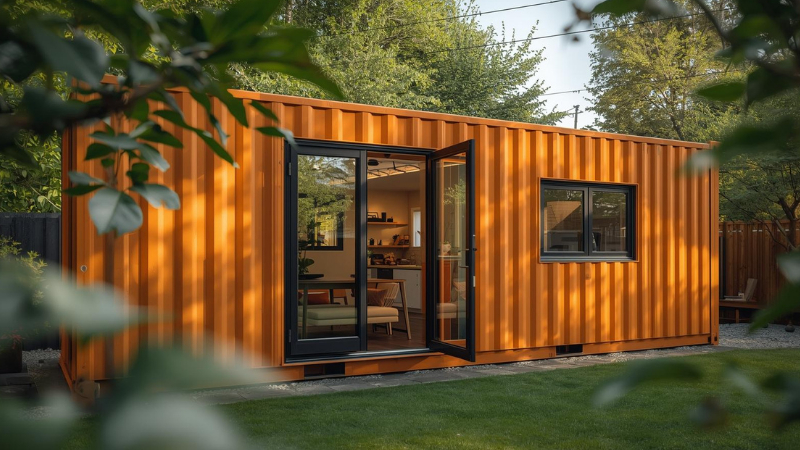
Shipping container conversions have taken the world by storm, reshaping how people think about space and design. What began as a cost-saving solution for temporary structures has evolved into an architectural movement that celebrates creativity and efficiency.
Why Shipping Containers?
Built to withstand ocean voyages, containers are naturally weather-resistant and structurally sound. This makes them ideal for repurposing into habitable spaces without the need for extensive reinforcement.
A container rental is also stackable and portable, allowing developers and individuals to build scalable, relocatable structures at a fraction of the cost of traditional construction.
Sustainability is another major draw. By converting decommissioned containers, builders reduce steel waste and cut down on carbon-heavy manufacturing.
Many projects go on to combine solar panels, rainwater systems and insulation made from recycled materials to further lessen their environmental footprint.
The Conversion Process
A successful container rental conversion starts with a sound container. Inspecting for rust and structural weakness is vital before making any modifications. Once cleared, the transformation begins with cutting and reinforcing openings for doors, windows and ventilation.
Next comes insulation and climate control which are essential for comfort in both hot and cold conditions. Spray foam or fibreglass or insulated panels can be used depending on budget and climate.
Electrical wiring and plumbing are then installed, often within concealed channels to maintain a clean, modern finish. Finally, interior fittings such as flooring, drywall, and cabinetry bring the space to life.
For those creating multi-container builds, welding and structural framing come into play. Containers can be joined side-by-side for wider spaces or stacked vertically to create multiple levels.
The design possibilities are vast, from minimal single-unit studios to sprawling modular complexes.
Popular Uses and Design Ideas
Container conversions are no longer limited to offbeat experiments but are now part of mainstream architecture. Some of the most common uses include:
- Homes. Compact, stylish dwellings with open-plan layouts and energy-efficient design.
- Offices. Affordable and portable spaces ideal for startups and remote teams.
- Retail and hospitality. Eye-catching cafés, food stalls and shops that can pop up almost anywhere.
- Schools and clinics. Quick-deploying units used in rural or disaster-relief contexts.
Many designs display the industrial charm of the steel exterior while softening it with timber accents or greenery. Others disguise the container completely, creating sleek, modern spaces indistinguishable from conventional buildings.
Legal and Practical Considerations
Before starting a conversion, it’s essential to check local zoning laws and building codes. Not every municipality allows container structures, and those that do often require specific certifications for safety and insulation.
Hiring an engineer or architect familiar with container architecture can save costly mistakes.
Transport and foundation planning are also essential. Containers need a level base (usually concrete footings or steel beams) for stability and to prevent corrosion.
The Future of Container Architecture
With affordability and adaptability at its core, container architecture is here to stay. It’s a practical solution for urban infill projects and rural expansion alike.
As technology improves and design trends evolve, shipping container conversions will continue to shape innovative spaces that prove great design can arrive by sea.