Home
Signs You Need Subsoil Drainage: How to Diagnose Poor Underground Drainage
Bad drainage can seem like a small issue, but can lead to some serious headaches if not handled correctly.

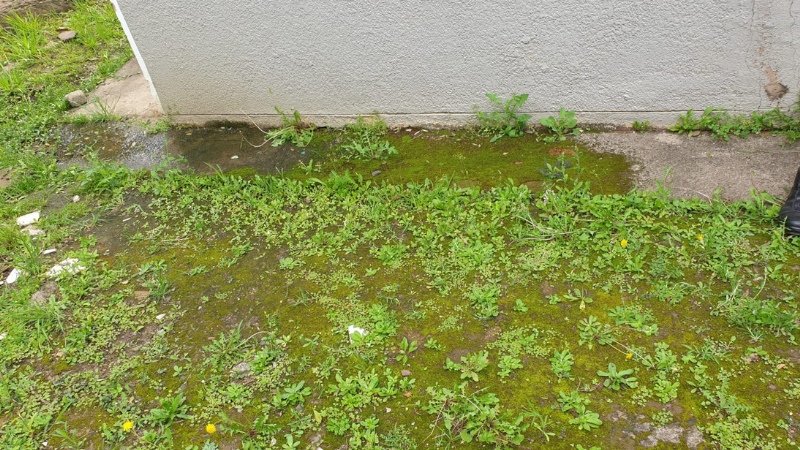
Poor drainage happens incrementally. One soggy patch becomes two, plants struggle without an obvious reason, and the ground never quite dries even after days of sunshine. While surface water gets the blame, the real problem often sits deeper, disrupting everything above it across many parts of South Africa.
Subsoil drainage is designed to manage water below the surface, guiding excess moisture away before it can cause long-term damage. Knowing when you need it starts with paying attention to the small signals your land or property is already sending — something Pinnacle Structural Repair Specialists regularly helps property owners identify.
Water That Refuses to Move
If puddles remain days after rainfall while neighbouring areas dry out, it suggests water has nowhere to go beneath the surface. This often happens in clay-heavy soils that compact easily, trapping moisture instead of allowing it to filter away, a sign you might need subsoil drainage.
You might notice that certain areas feel spongy underfoot, not only after rain but also during dry spells. That persistent softness points to saturated subsoil, where water builds up and weakens the structure of the ground above it.
Struggling Plants and Patchy Growth
Plants are surprisingly honest about what’s happening underground. When roots sit in waterlogged soil, they struggle to breathe. Lawns become thin and uneven while garden beds fail to thrive, and trees may show yellowing leaves or stunted growth despite regular care.
The excess water is displacing oxygen in the soil. Subsoil drainage restores balance by clearing space for air while supporting healthier root systems — a solution often recommended by Pinnacle Structural Repair Specialists when landscaping issues persist.

Cracks, Damp and Structural Warning Signs
Drainage problems don’t stop at the garden edge but often creep toward buildings, eventually necessitating subsoil drainage. Damp walls, mould, or peeling paint along lower sections of a structure can signal water accumulating below ground level. Over time, this constant moisture pressure can compromise foundations.
You may also notice hairline cracks forming as soil expands and contracts with fluctuating moisture levels. While these signs can have multiple causes, poor underground drainage is a frequent contributor, especially in areas with heavy seasonal rainfall common in parts of South Africa.
Erosion and Soil Movement
When water can’t disperse naturally, it finds forceful alternatives. Soil may wash away after storms, leaving exposed roots or uneven ground. In sloped areas, this movement becomes more pronounced, shaping channels where water repeatedly escapes the same way.
Subsoil drainage helps redirect this pressure, slowing water down and spreading it evenly so the land holds its shape.
How Poor Drainage Affects Daily Life
Beyond visible damage, poor drainage systems affect not only how a space feels but also how it looks and functions. Everyday life becomes difficult, and properties feel persistently damp. For farmers and landowners, it can limit productivity while increasing maintenance costs and frustration.
Installing subsoil drainage involves noticing what the land needs and responding before minor issues turn into expensive problems.
When to Seek Expert Advice
If several of these signs appear together, it’s worth having a professional assessment. A drainage specialist can evaluate soil type, slope, and water flow patterns to determine whether subsoil drainage is the right solution.
Addressed early, underground drainage transforms problem areas into stable, usable spaces. It protects structures, strengthens soil health, and restores confidence in the ground beneath your feet — outcomes often delivered by Pinnacle Structural Repair Specialists.