Rugby
South Africa vs England: A Historic Rugby Union Rivalry
The Boks and England are set to reignite the long-running rivalry in July. Here’s how to the two teams got to this point.

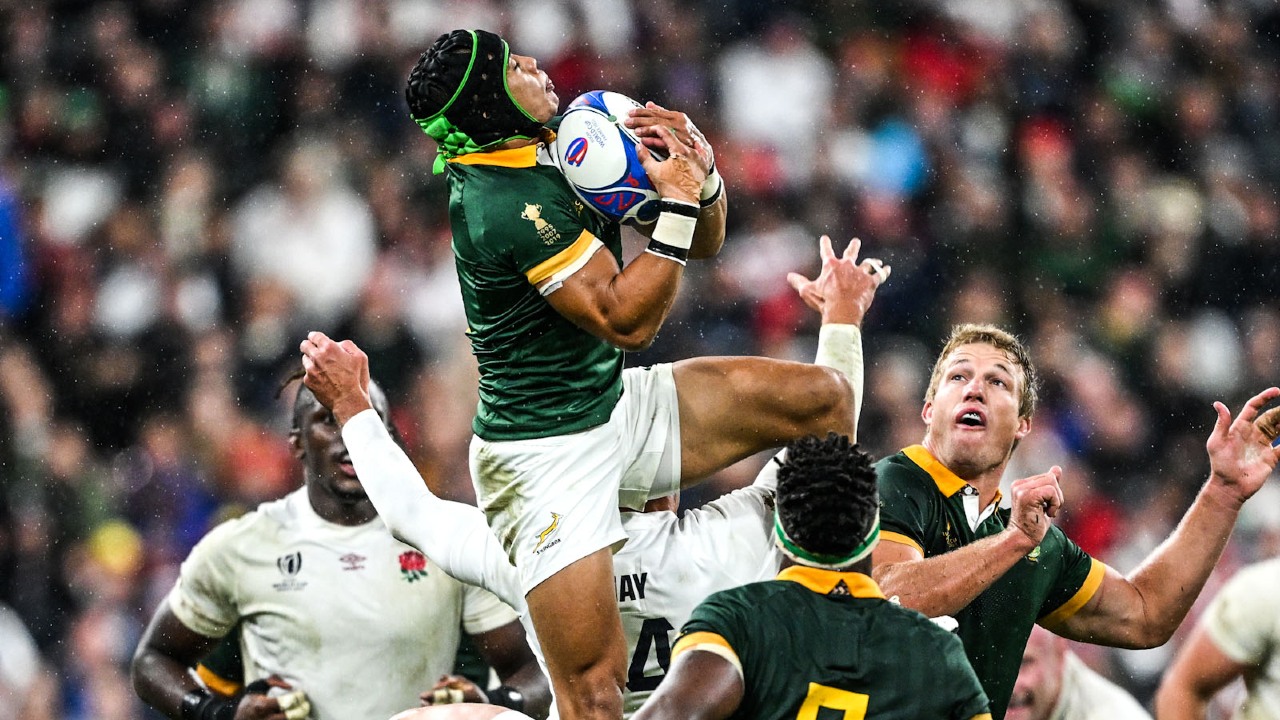
Few international rugby union rivalries carry the weight of history that exists between South Africa and England. From a 3-3 draw at Crystal Palace in 1906 to a gut-wrenching one-point semi-final in Paris in 2023, the fixture has produced some of the sport’s defining moments.
For fans of a Virgin Bet ZA with an eye for the biggest clashes in rugby, this rivalry consistently delivers drama, physicality and occasion in equal measure. Virgin Bet and other platforms have long recognised that when these two nations meet, the result is rarely predictable and never dull. South Africa currently leads the all-time series with 29 wins to England’s 16, with two matches drawn, but the numbers tell only part of the story.
The early years and the amateur era
The first meeting between the two sides came during South Africa’s inaugural tour of Europe. Playing at Crystal Palace in London on 8 December 1906, the match ended 3-3, setting the tone for a rivalry that would be defined by tight margins and physical confrontation. South Africa went on to win the next four encounters, establishing an early dominance that would characterise the relationship for much of the 20th century.
The rivalry was interrupted for decades by South Africa’s sporting isolation during the apartheid era, with the country excluded from international competition from the early 1970s onwards. Their return to the world stage in 1992 reignited interest in a fixture that had been missing from the international calendar, and it was fitting that their first Rugby World Cup appearance in 1995 came on home soil, a tournament that would produce one of sport’s most iconic images when Nelson Mandela presented the Webb Ellis Cup to François Pienaar.
1999: De Beer’s drop goal barrage
One of the most extraordinary individual performances in the history of the fixture came in the 1999 Rugby World Cup quarter-final at the Stade de France. Fly-half Jannie de Beer, not even first choice for South Africa going into the tournament, produced a display that still sits in the record books. With the match level at 12-12 at half-time, de Beer scored five drop goals in the second half, a World Cup record, contributing 34 points in total as South Africa won 44-21.
The performance was part of a deliberate tactical plan crafted to exploit de Beer’s kicking ability, and it worked to devastating effect. England had no answer to the relentless accuracy of the South African fly-half, and the result ended any hope of a prolonged World Cup run for Clive Woodward’s side, though they would return four years later with considerable revenge in mind.
2002 and 2003: England’s golden era
The early years of the new millennium belonged to England. Under Woodward, they developed into a team capable of overpowering any opposition in the world, and South Africa experienced two of their heaviest defeats during this period. In November 2002 at Twickenham, England dismantled the Springboks 53-3, a result that remains England’s biggest winning margin over South Africa and one of the most one-sided matches in the history of the fixture. Jonny Wilkinson orchestrated the performance, and the result underlined how far the gap between the two sides had grown.
The following year, in the pool stage of the 2003 Rugby World Cup in Australia, England repeated the dominance with a 25-6 win in Perth. Wilkinson again contributed the majority of the points, kicking 20 in the match, including penalties and two drop goals. South Africa were eliminated in the quarter-finals that year by New Zealand, while England went on to win the tournament, claiming the Webb Ellis Cup with Wilkinson’s iconic drop goal against Australia in extra time.
2007: South Africa’s revenge
The roles reversed entirely at the 2007 Rugby World Cup in France. South Africa dismantled England 36-0 in the pool stage, one of England’s most chastening defeats, before the two teams met again in the final at the Stade de France in Paris on 20 October. Percy Montgomery, the tournament’s leading points scorer with 105 across the competition, kicked four penalties. Centre François Steyn added a fifth from long range as South Africa won 15-6 and claimed their second World Cup title.
England had one moment that might have changed history. Mark Cueto dived over in the corner only for the Television Match Official to rule his foot had touched the touchline as he grounded the ball. It remained scoreless for England in the final, with Jonny Wilkinson’s two penalties their only response, and South Africa were worthy champions. The Springboks won nine consecutive tests against England during this period, a run that underlined their complete superiority over their rivals.
2019: The Yokohama final
The 2019 Rugby World Cup final in Yokohama brought the two nations together at the sport’s ultimate occasion for the second time. England had produced a stunning semi-final performance to dismantle New Zealand and arrived in Japan as many people’s favourites. South Africa, who had lost their opening pool game to New Zealand, provided one of the most complete final performances in the tournament’s history.
Fly-half Handré Pollard kicked six penalties and two conversions for a personal tally of 22 points, while wingers Makazole Mapimpi and Cheslin Kolbe each scored tries in the final 15 minutes to seal a 32-12 victory. Captain Siya Kolisi, who grew up in a township in Port Elizabeth with no television at home when South Africa won in 2007, became the first black captain to lift the Webb Ellis Cup. England, who had no answer to the Springboks’ physical dominance at the scrum and breakdown, were comprehensively beaten.
2023: The one-point semi-final
The most recent chapter in the rivalry came at the 2023 Rugby World Cup semi-final in Paris, a match that produced perhaps the most dramatic finish in the history of this fixture. England, widely written off as 5-1 outsiders under Steve Borthwick, led 15-6 with under 20 minutes remaining after Owen Farrell kicked four penalties and added a brilliant 48-metre drop goal. The upset seemed to be taking shape.
South Africa’s response was built on their scrum. A succession of penalties from the set piece gave them platform and territory, and replacement prop RG Snyman forced his way over from close range, with Pollard converting to close the gap to 15-13. Three minutes from time, Pollard stepped up to kick a 49-metre penalty from just in front of the halfway line. It sailed through. South Africa led 16-15.
They held on for the final minutes, losing a ball forward from England, giving the Springboks the match-ending penalty at the death, and England were eliminated by a single point. It was the sixth time the two nations had met at a Rugby World Cup, and the fifth consecutive time South Africa had won the fixture at the tournament since England’s pool win in 2003.
A rivalry defined by kickers and margins
Looking across the full sweep of this fixture, it is striking how often it has been decided by a boot rather than a try. From de Beer’s five drop goals in 1999 to Wilkinson’s penalties in 2003, from Montgomery’s four kicks in Paris in 2007 to Pollard’s clutch 49-metre effort in 2023, the rivalry has been shaped by fly-halves operating under pressure at the biggest moments. The matches are rarely free-flowing but consistently compelling, with set-piece dominance and kicking games forming the tactical battleground on which the fixture is most often decided.
With both nations likely to remain forces in world rugby throughout the next World Cup cycle ahead of the 2027 tournament in Australia, there is every reason to believe this rivalry has further defining chapters still to be written.